
04 / 06 · Aggregates
Mortar Aggregates
Build Strong Foundations With Quality Mortar Aggregate from Morris and Perry Quarry
Strengthen your construction projects with high-quality mortar aggregate from Morris and Perry’s quarry.
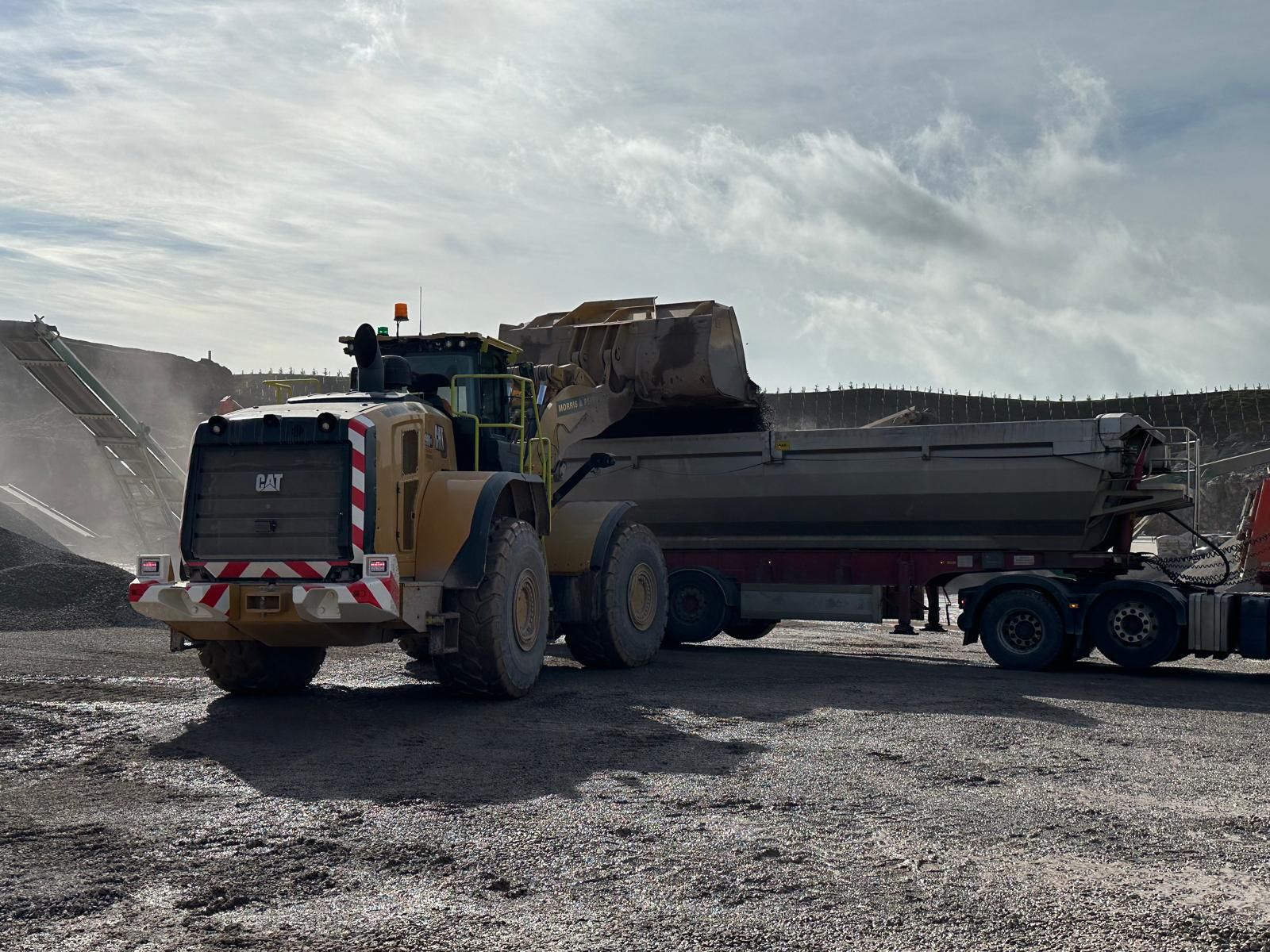
- Supplied loose on16 t or 20 t lorries
- Collected or deliveredMinimum 1 tonne
- Crushed limestone fromGurney Slade
Work it out
Tonnage can be derived from volume
Volume is calculated in m³ (length x width x depth). 1 m³ = 1.5 t – 2.2 t of crushed stone depending on the grading and degree of compaction; 2.1 tonnes of Type 1 = 1 m³.
1 m³ of well compacted scalpings is heavier than 1 m³ of 75mm clean stone (consider the amount of air spaces!). Our aggregates are always supplied loose on either 6-wheeler (16T) or 8-wheeler (20T) lorries. Collected or delivered — minimum load 1 tonne.
- Tonnes
- 4.5–6.6 t
- Volume
- 3 m³
Under a tonne — our minimum load is 1 tonne.
Aggregates
Sustainable Sourcing: The Benefits of Using Morris and Perry’s Quarry-Sourced Mortar Aggregate
Mortar aggregate plays a pivotal role in the composition of mortar, serving as one of its essential components alongside cement and water.
Typically made of sand or crushed stone, this granular material contributes to the overall strength and durability of the mixture, enhancing its ability to bind bricks, stones, and other masonry units together.
The size and grading of the mortar aggregate can significantly influence workability; finer aggregates allow for smoother application, while coarser varieties lend greater structural integrity.
Beyond functionality, mortar aggregate also affects aesthetic qualities—different colours and textures can impart unique visual characteristics to finished surfaces. Additionally, it aids in controlling shrinkage during curing by reducing the formation of cracks that might compromise long-term stability.
As builders mix their formulations with precision, they recognize that the choice of mortar aggregate is crucial for technical performance and achieving a harmonious blend between form and function in construction projects.
Pros & cons
Mortar Aggregates: the pros and cons
Pros
- Strength and DurabilityOne of the most significant advantages of using mortar aggregates is that they provide strength and durability to the construction. They are made up of solid and natural materials such as sand, gravel, and crushed stone, which help make the mortar resistant to weathering and wear.
- Cost-effectiveMortar aggregates are relatively inexpensive compared to other construction materials like cement. This makes them a cost-effective option for large-scale and smaller projects.
- Easy availabilityMortar aggregates are readily available in most areas, making them a convenient choice for construction projects. This reduces transportation costs and ensures timely completion of the project.
- VersatilityMortar aggregates can be used for various purposes, such as building foundations, walls, floors, and decorative elements. They can be mixed with different binders to create strengths and textures according to specific project requirements.
- Eco-friendlyMany mortar aggregate materials are environmentally friendly and can be recycled or reused. This helps reduce waste and promote sustainable building practices.
Cons
- Limited aesthetic appealWhile mortar aggregates offer strength and durability, they may not have the same visual appeal as other construction materials like bricks or stones.
Aggregates
We supply all types of Aggregate to Somerset and Surrounding Towns
We are equipped with various specialised vehicles and staffed by our highly experienced workforce, so we can provide any quantity of Aggregate.
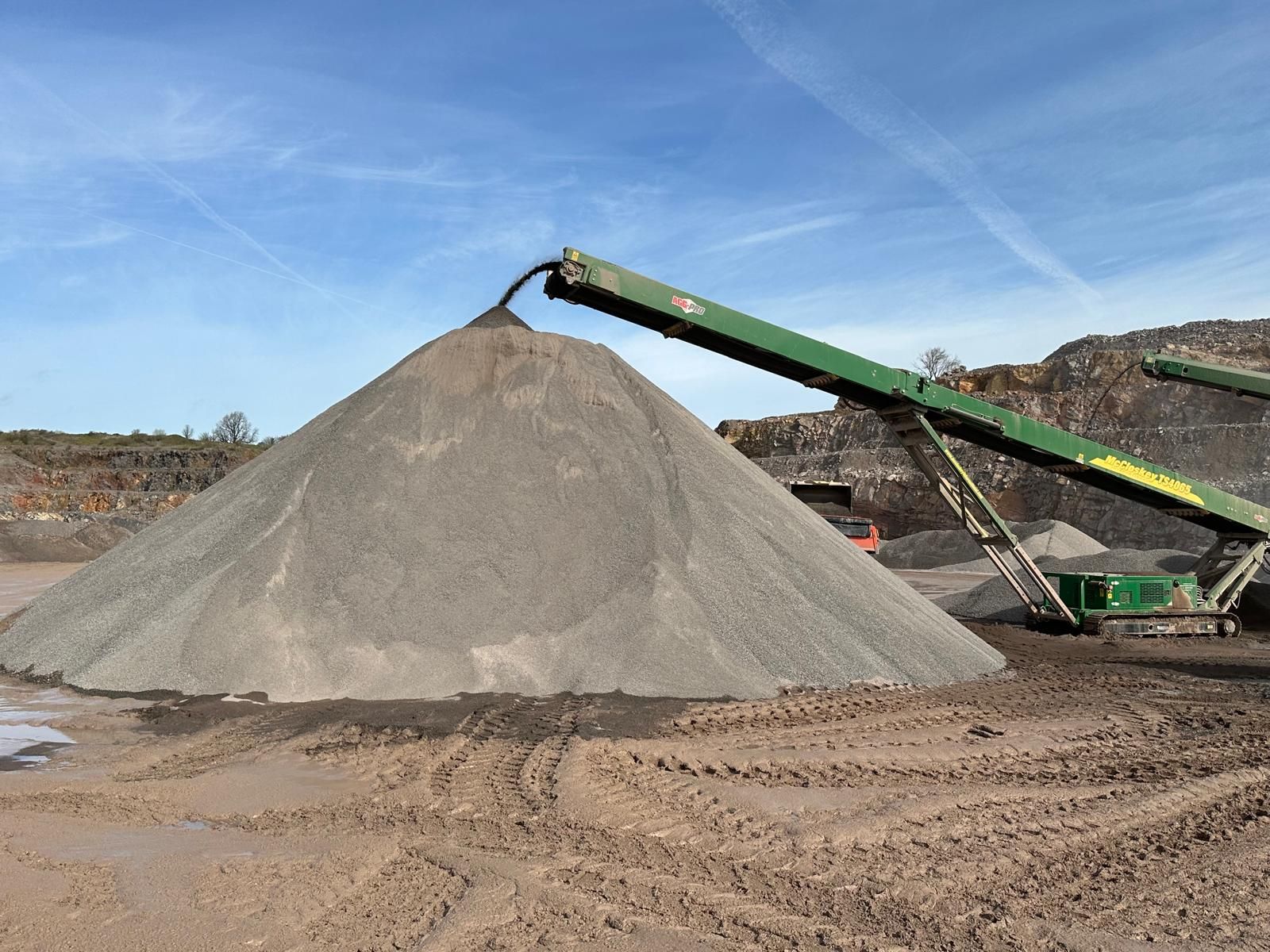 Construction Aggregate
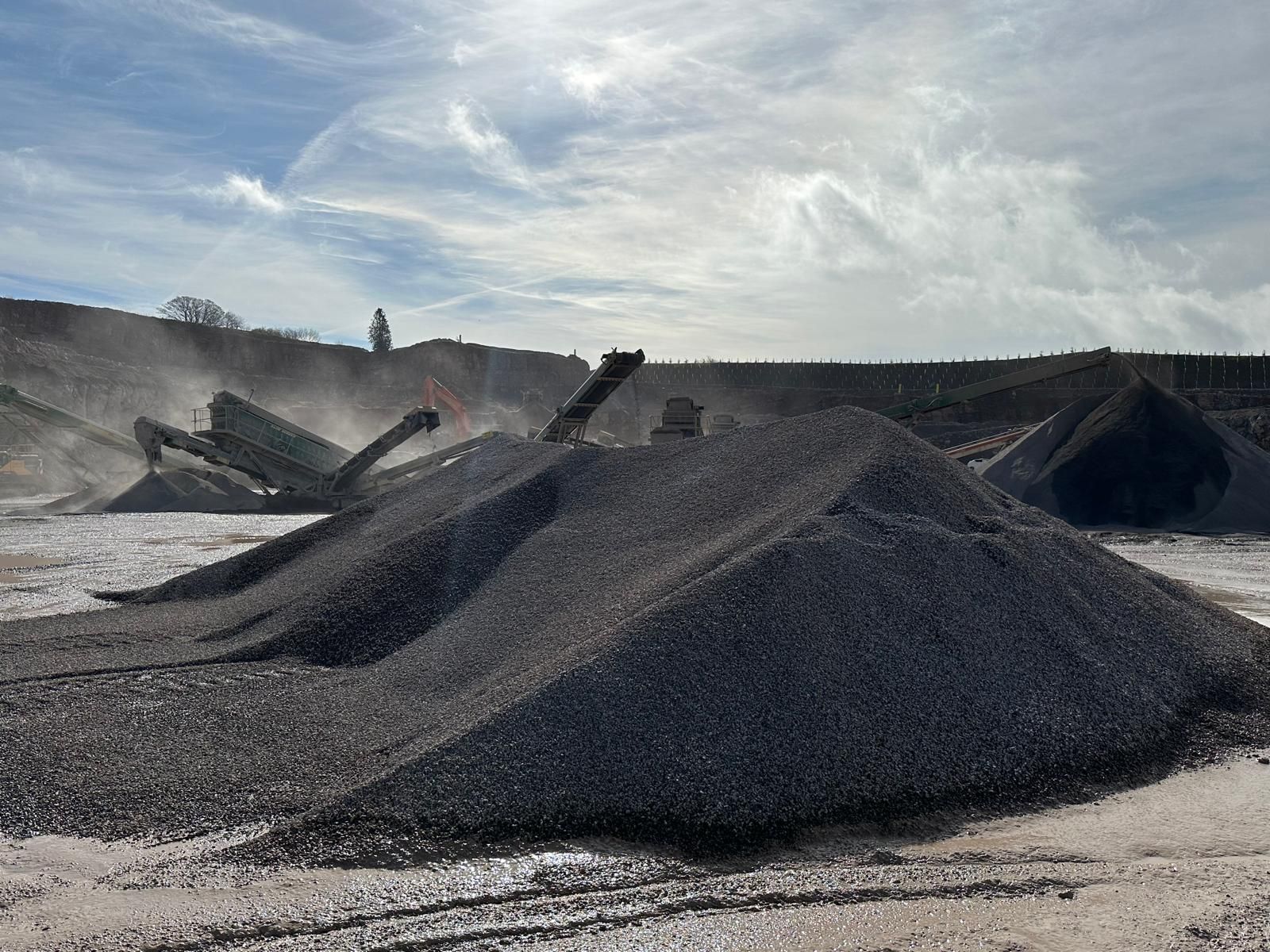 Concrete Aggregate
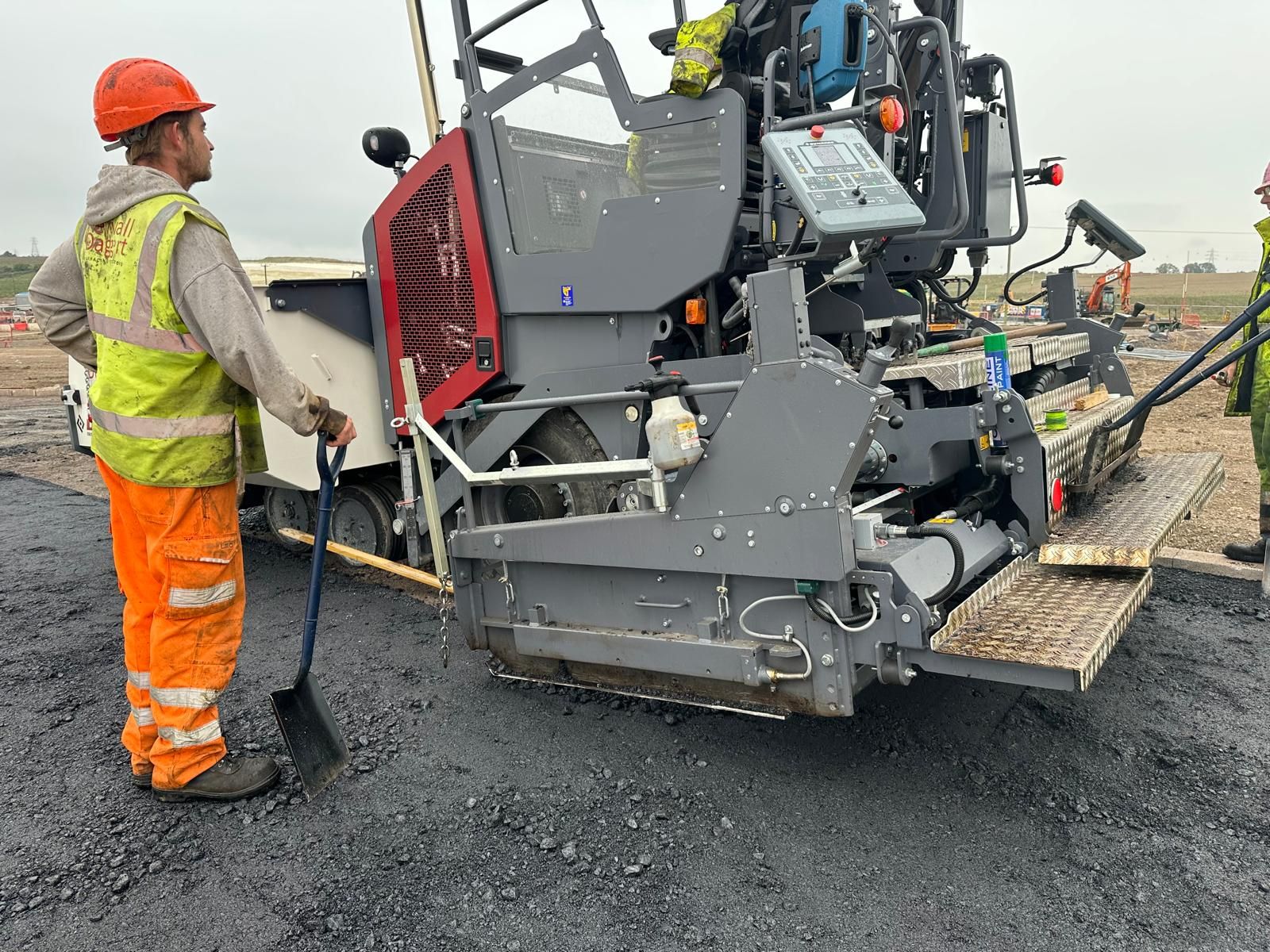 Asphalt Aggregate
- Mortar AggregateYou are here
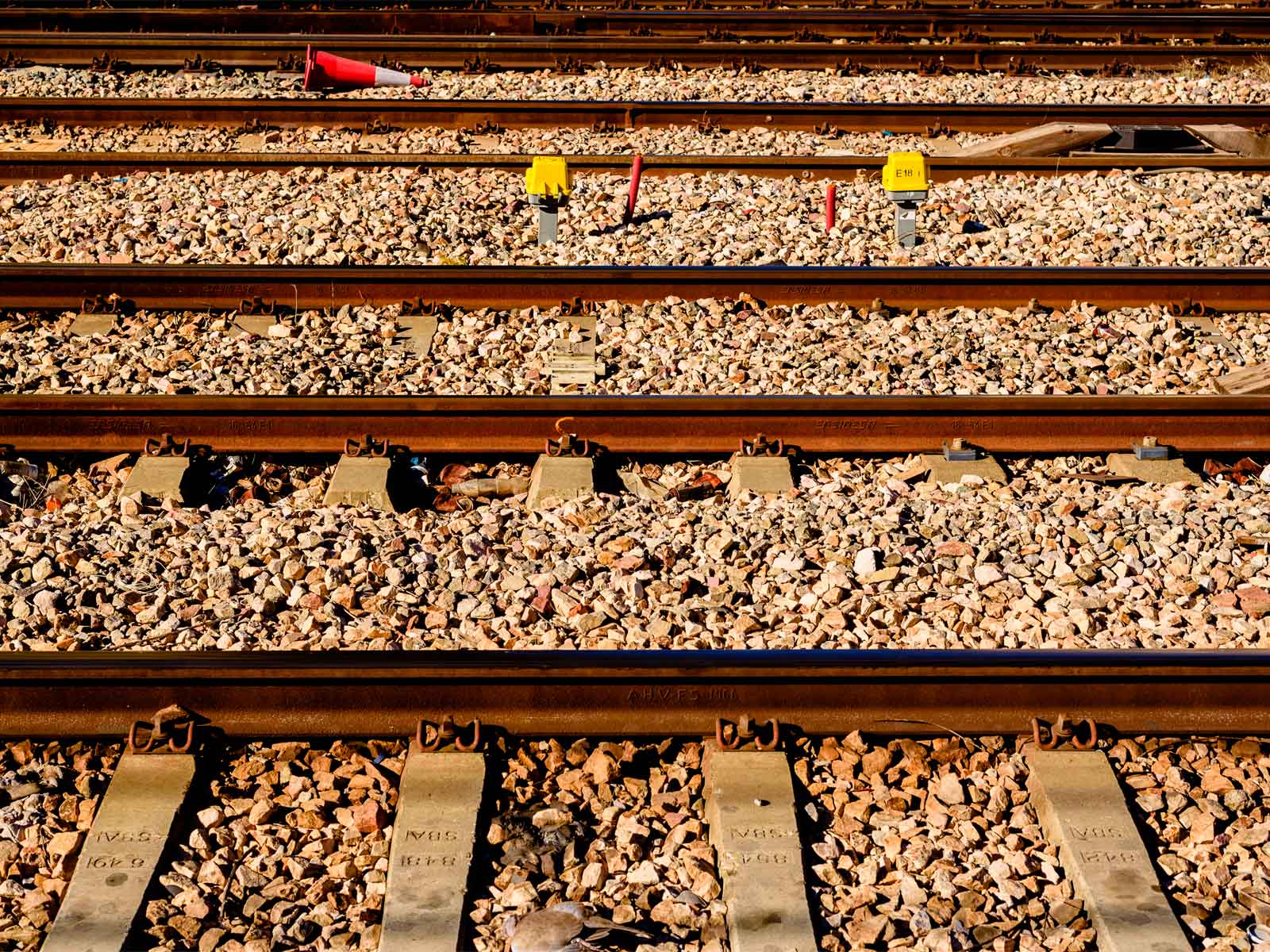 Aggregate For Railway Ballast
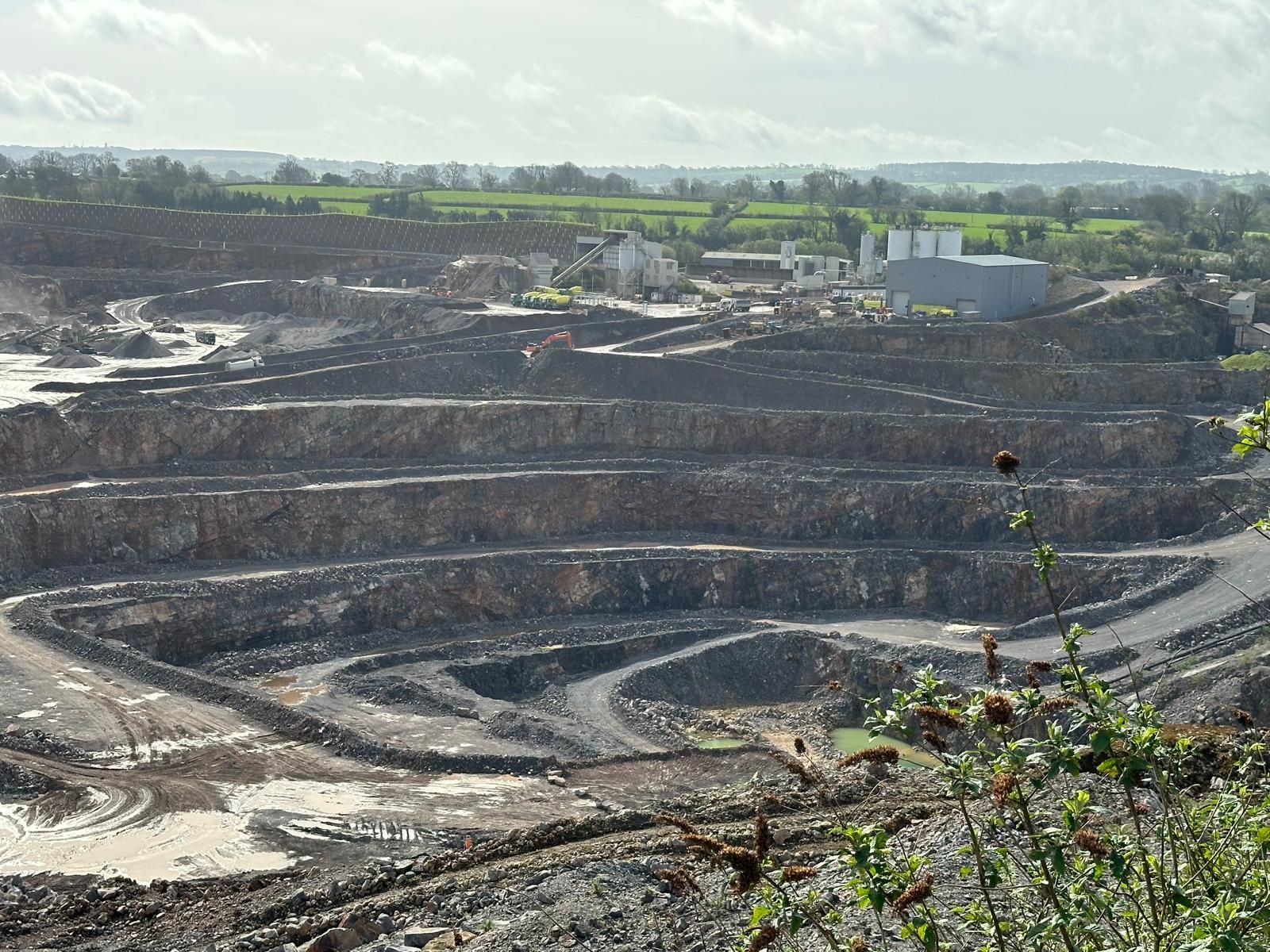 Drainage Aggregate
Rough quote
Tell us what you need, and where
Fill out the form and send it. We will review your information and see if we deliver to your area, then call you to confirm your information and let you know the cost and when we can deliver.
- Monday to Friday06.00 – 17.30
- Saturday06.00 – 10.00
- SundayClosed
Gurney Slade, Nr Bath, Somerset, BA3 4TE
Do you need help with understanding the different types of concrete and what it can be used for?