
05 / 06 · Aggregates
Railway Ballast Aggregate
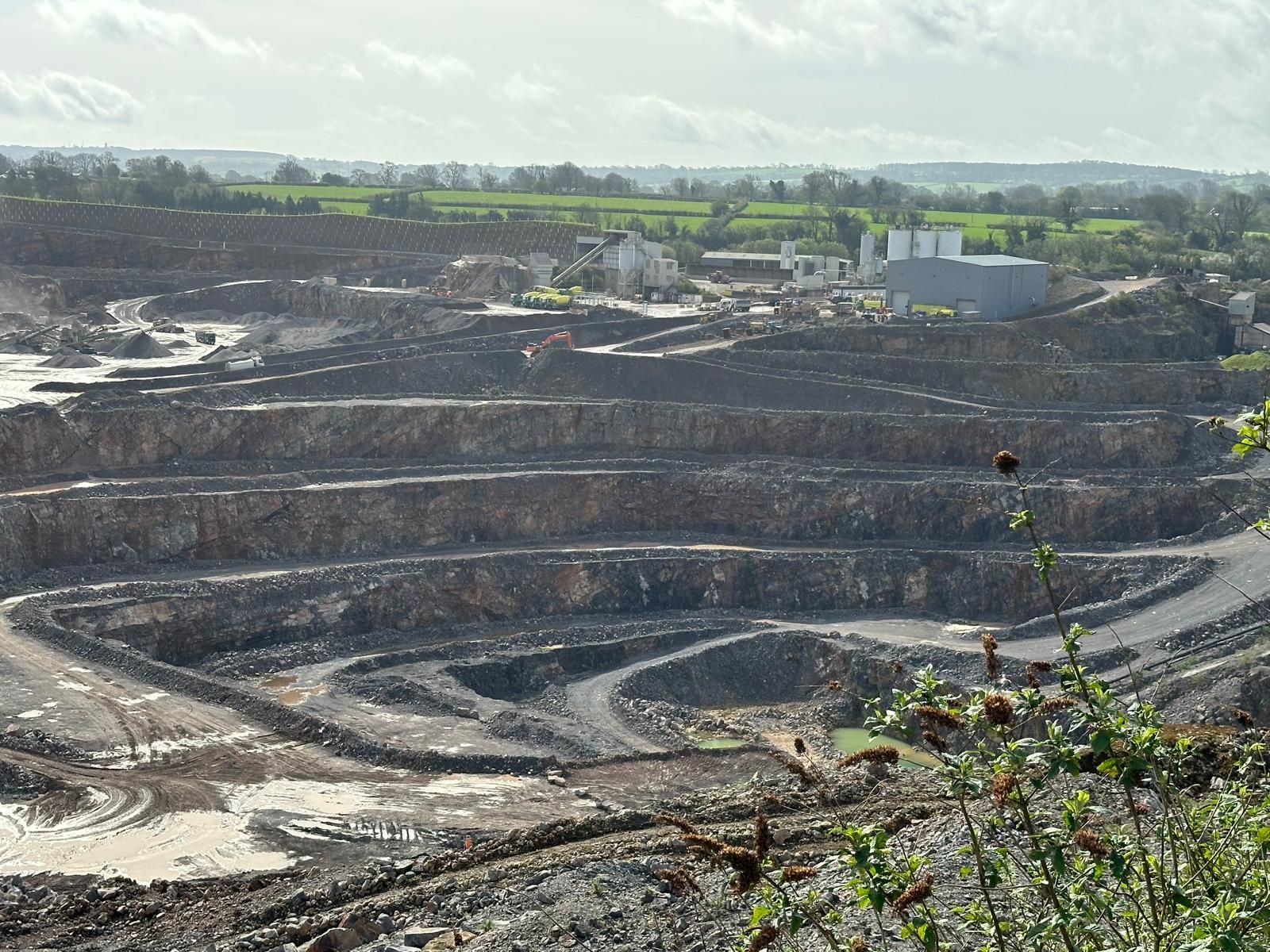
The Top Choice for High-Quality Railway Ballast Aggregate: Morris and Perry Quarry.
Trust in Morris and Perry for high-quality Railway Ballast Aggregate, sourced directly from our quarry, for all your construction and rail needs.
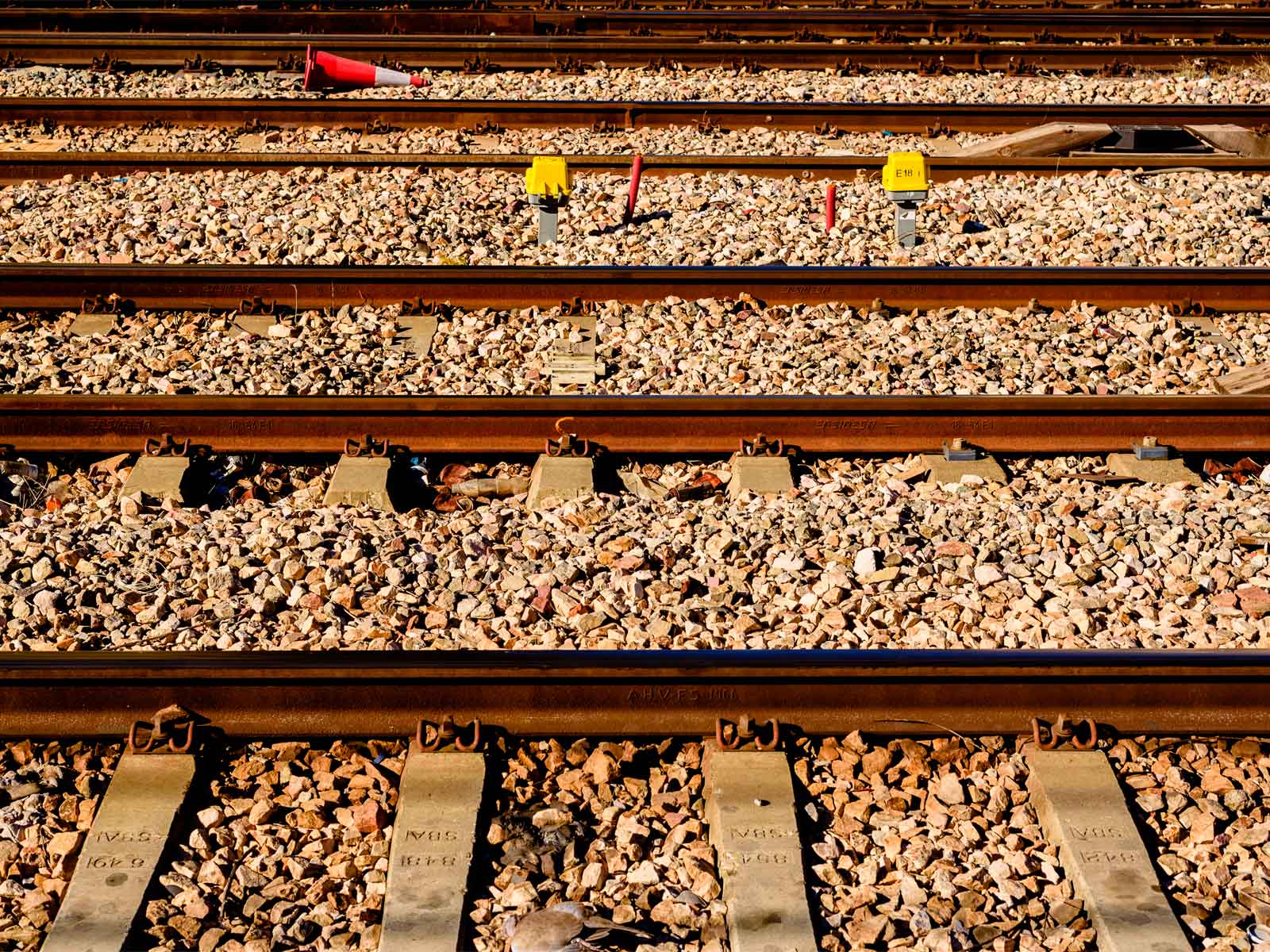
- Supplied loose on16 t or 20 t lorries
- Collected or deliveredMinimum 1 tonne
- Crushed limestone fromGurney Slade
Work it out
Tonnage can be derived from volume
Volume is calculated in m³ (length x width x depth). 1 m³ = 1.5 t – 2.2 t of crushed stone depending on the grading and degree of compaction; 2.1 tonnes of Type 1 = 1 m³.
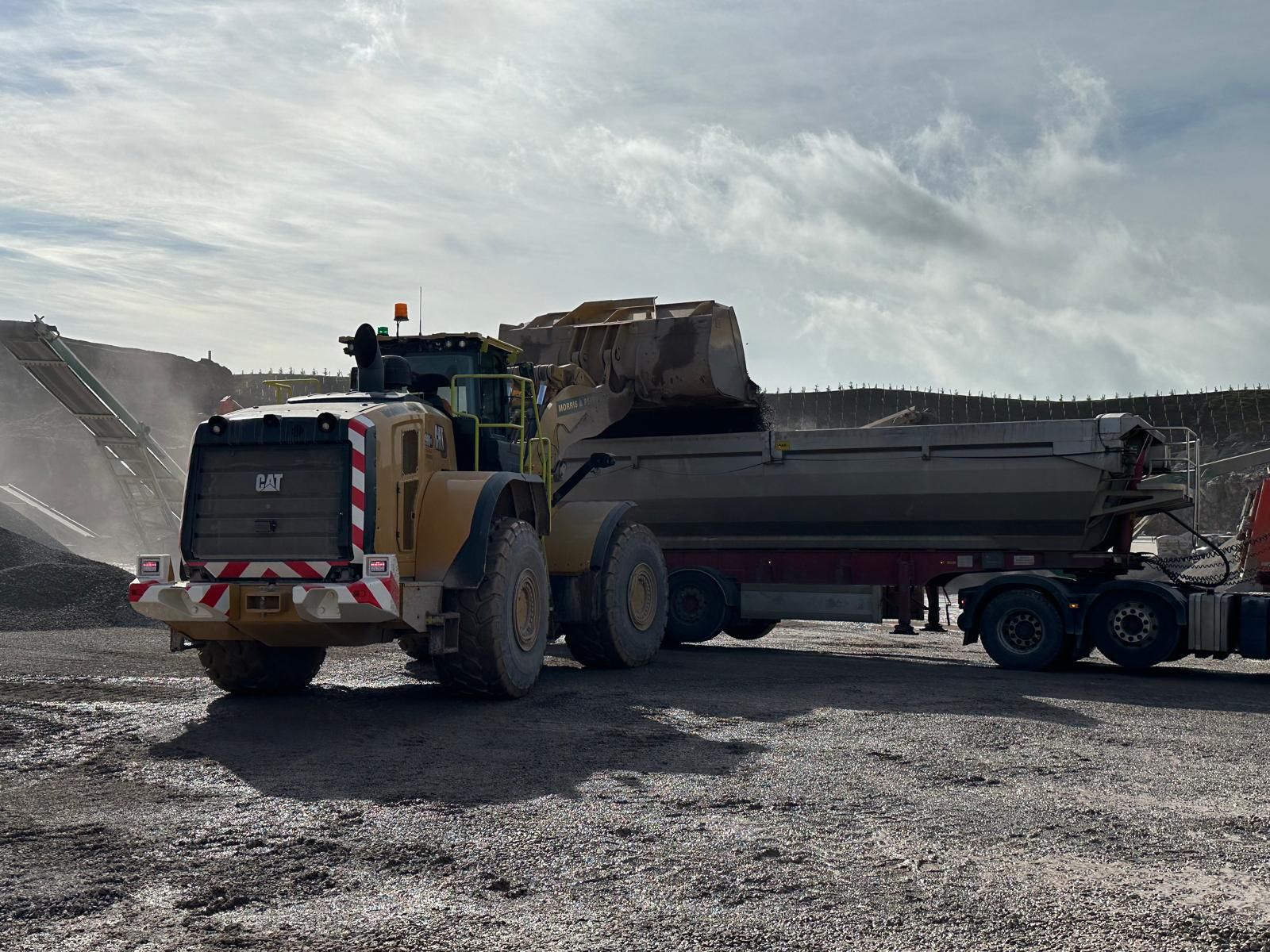
1 m³ of well compacted scalpings is heavier than 1 m³ of 75mm clean stone (consider the amount of air spaces!). Our aggregates are always supplied loose on either 6-wheeler (16T) or 8-wheeler (20T) lorries. Collected or delivered — minimum load 1 tonne.
- Tonnes
- 4.5–6.6 t
- Volume
- 3 m³
Under a tonne — our minimum load is 1 tonne.
Aggregates
Transforming Infrastructure: How Morris and Perry Supply Quality Railway Ballast from Their Quarry
Railway ballast aggregate plays a crucial role in the structural integrity and functionality of railway tracks. It serves as a foundational layer that supports the weight of trains while ensuring stability and drainage. Composed primarily of crushed stone or gravel, this aggregate is strategically placed around and underneath the sleepers to create a solid bed for the rails. The angular shape of the ballast particles interlocks, providing resistance against lateral movement and preventing track deformation under dynamic loads. Additionally, railway ballast aggregate facilitates efficient water drainage away from the track structure, reducing erosion and minimizing maintenance needs. Its ability to absorb vibrations also contributes to passenger comfort by lessening noise levels during transit. Overall, railway ballast aggregate is indispensable in maintaining safe and reliable rail operations across varying terrains.
Pros & cons
Railway Ballast Aggregate: the pros and cons
Pros
- StabilityRailway ballast aggregate provides a stable and sturdy foundation for railway tracks, ensuring smooth and safe movement of trains.
- DrainageThe aggregate’s porous nature allows for proper drainage, preventing water from pooling on the tracks and causing damage.
- DurabilityRailway ballast aggregate is highly durable and can withstand heavy loads and regular train traffic, making it a long-lasting solution for railway track support.
- Cost-effectiveAs a natural material, railway ballast aggregate is relatively inexpensive compared to other materials used for track support, making it a cost-effective option.
- Low maintenanceOnce installed, railway ballast aggregate requires minimal maintenance, reducing the overall costs and labour needed for upkeep.
Cons
- Dust formationThe aggregate is constantly exposed to train movement, which can create dust particles that may cause air pollution in surrounding areas.
- ErosionIn areas with heavy rainfall or floods, the railway ballast aggregate may experience erosion, affecting its stability over time.
- Limited availabilityThe type of rock used for railway ballast aggregate may not be readily available in all locations, leading to potential delays in construction or higher transportation costs if sourced from faraway places.
Aggregates
We supply all types of Aggregate to Somerset and Surrounding Towns
We are equipped with various specialised vehicles and staffed by our highly experienced workforce, so we can provide any quantity of Aggregate.
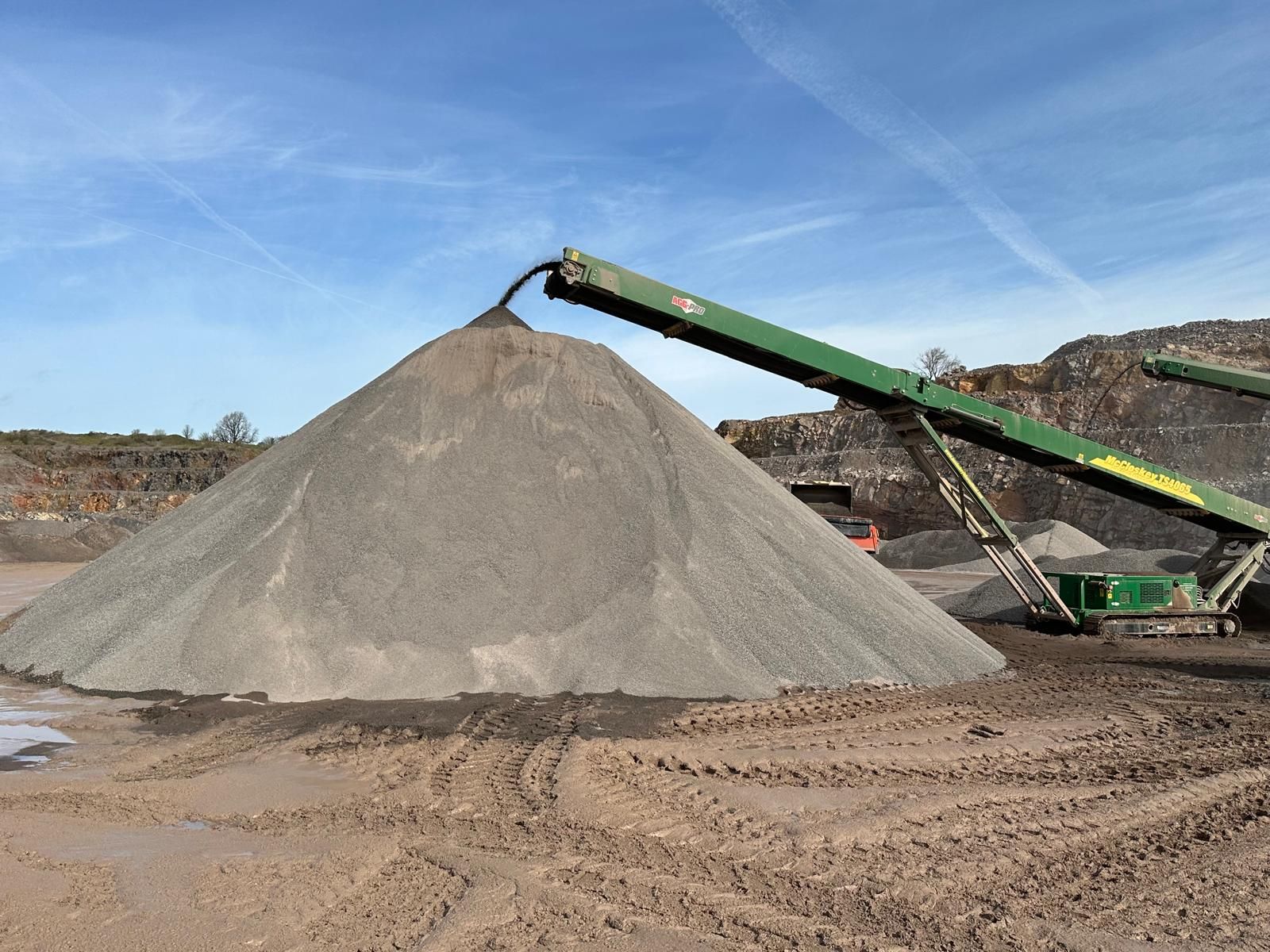 Construction Aggregate
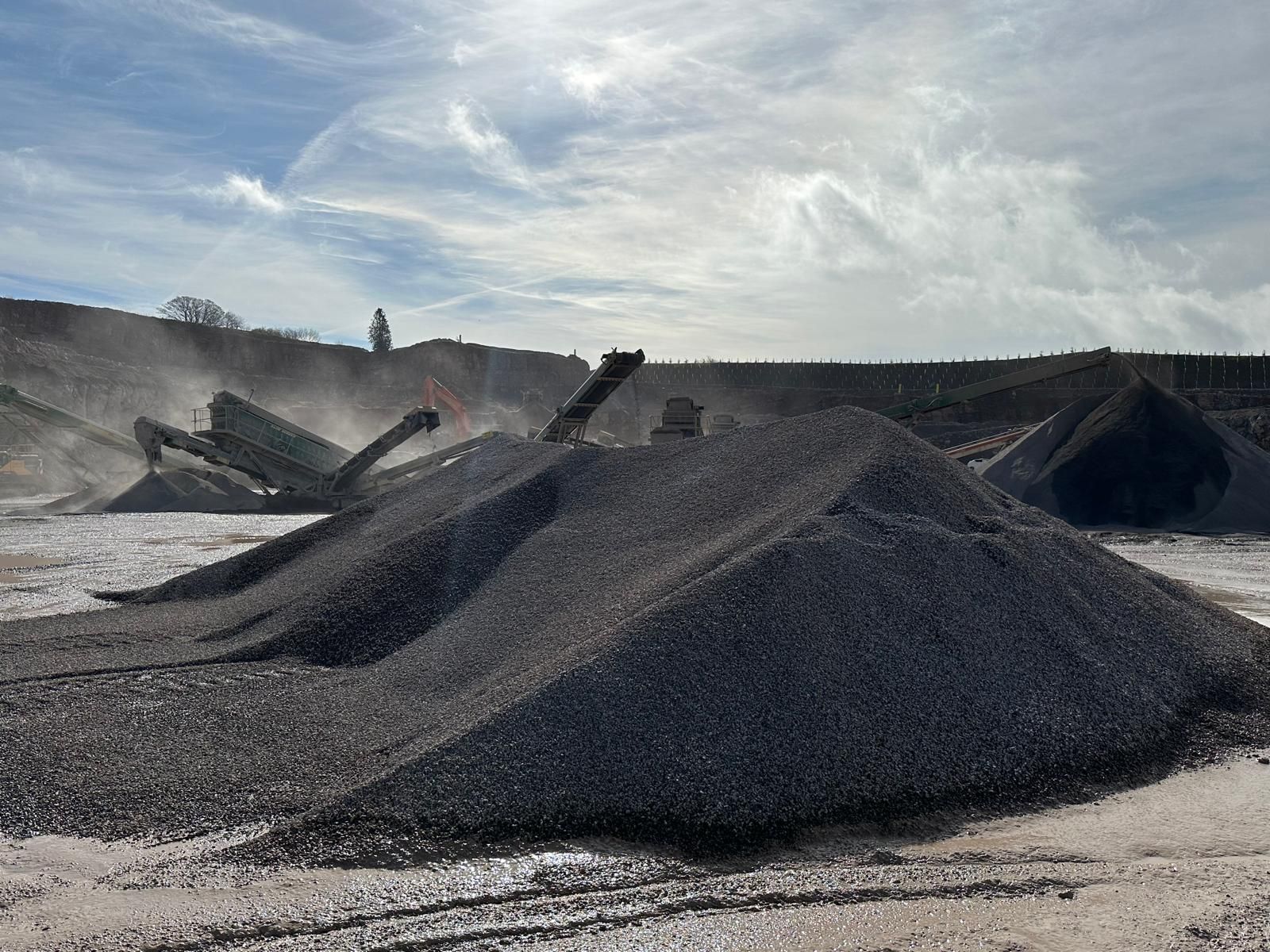 Concrete Aggregate
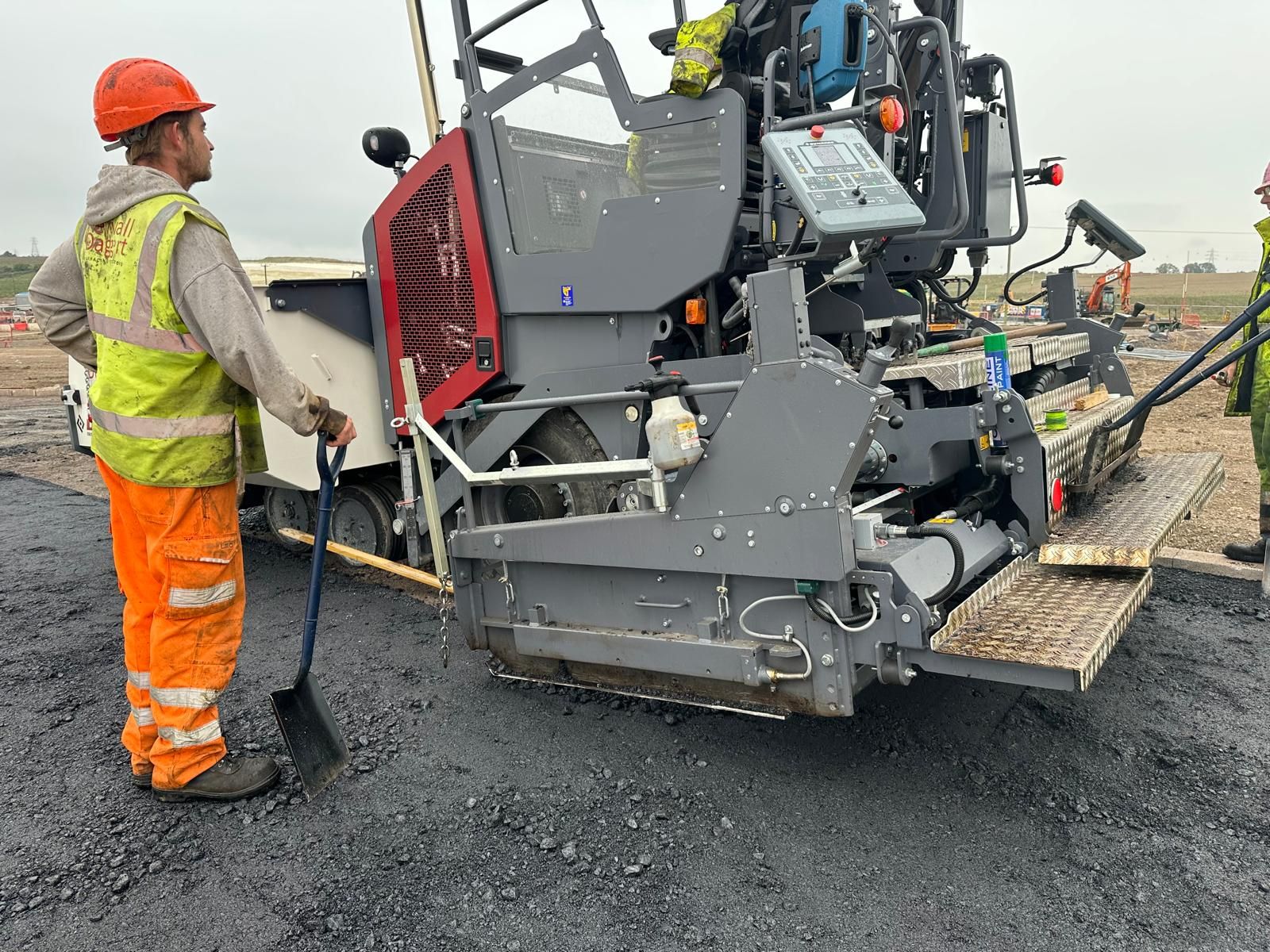 Asphalt Aggregate
 Mortar Aggregate
- Aggregate For Railway BallastYou are here
 Drainage Aggregate
Rough quote
Tell us what you need, and where
Fill out the form and send it. We will review your information and see if we deliver to your area, then call you to confirm your information and let you know the cost and when we can deliver.
- Monday to Friday06.00 – 17.30
- Saturday06.00 – 10.00
- SundayClosed
Gurney Slade, Nr Bath, Somerset, BA3 4TE
Do you need help with understanding the different types of concrete and what it can be used for?